The historical journey of gambling From ancient rituals to modern casinos
Origins of Gambling in Ancient Civilizations
The roots of gambling can be traced back to ancient civilizations, where it played a significant role in cultural and religious practices. Archaeological evidence suggests that the earliest forms of gambling appeared in Mesopotamia around 3000 BC. Early games of chance were often associated with divination rituals, as people believed that the outcomes were influenced by supernatural forces. Dice, made from bones or wood, emerged as popular tools for these ancient games, symbolizing fate and fortune. In this historical landscape, those seeking to explore their options may find the best casinos not on gamstop to enhance their experiences.

In ancient China, around 2000 BC, gambling took on a more organized structure. The Chinese developed games that included betting on the outcomes of sports events and games of skill. These practices laid the groundwork for gambling’s evolution, intertwining with societal norms and expectations, and establishing its relevance in social gatherings and festivals. As these civilizations progressed, gambling became a reflection of their beliefs and values.
Gambling in the Middle Ages
During the Middle Ages, gambling evolved significantly, particularly in Europe. It became a popular pastime among nobility and the general public alike. Games such as dice and card games gained prominence, often played in taverns and noble courts. This era also saw the emergence of gambling houses and the first lotteries, which were used to fund public projects. The relationship between gambling and the church, however, was complex, as religious authorities often condemned the practice for its association with vice and moral decay.
The fascination with chance and luck thrived despite these objections, leading to an increase in informal gambling establishments. Many citizens relied on these games as a form of entertainment and potential economic opportunity. The growing demand for structured gaming environments paved the way for future developments in gambling practices.
The Rise of Casinos in the 18th Century
The 18th century marked a pivotal turning point in the history of gambling with the establishment of the first modern casinos. The Casino di Venezia in Italy, opened in 1638, is often credited as the first official gambling house, providing a controlled environment for patrons to indulge in various games. By the 18th century, the concept of casinos spread across Europe, each bringing its unique flair and gaming options, attracting a diverse clientele.
The luxurious surroundings and glamorous atmospheres of these establishments contributed to the allure of gambling. The development of new games, such as baccarat and roulette, captivated players and cemented the casino’s status as a social hub. As these venues flourished, they became increasingly associated with wealth, class, and high society, marking a transition in gambling from informal gatherings to organized and regulated establishments.
Gambling in the Modern Era
With the advent of the 20th century, gambling underwent yet another transformation. The legalization of casinos in places like Las Vegas and Atlantic City revolutionized the industry. These cities became synonymous with entertainment and nightlife, with sprawling resorts offering a multitude of gaming options, shows, and fine dining. The emergence of online gambling in the late 1990s further reshaped the landscape, providing unprecedented accessibility and convenience for players worldwide.
Modern gambling is now a multi-billion-dollar industry that encompasses a wide range of activities, from sports betting to poker tournaments. Advanced technology and the internet have allowed for innovations like live dealer games and mobile betting apps, making it easier for individuals to engage in gambling from the comfort of their homes. However, this growth has also sparked discussions around regulation, responsible gambling practices, and the potential social implications of gambling’s widespread availability.
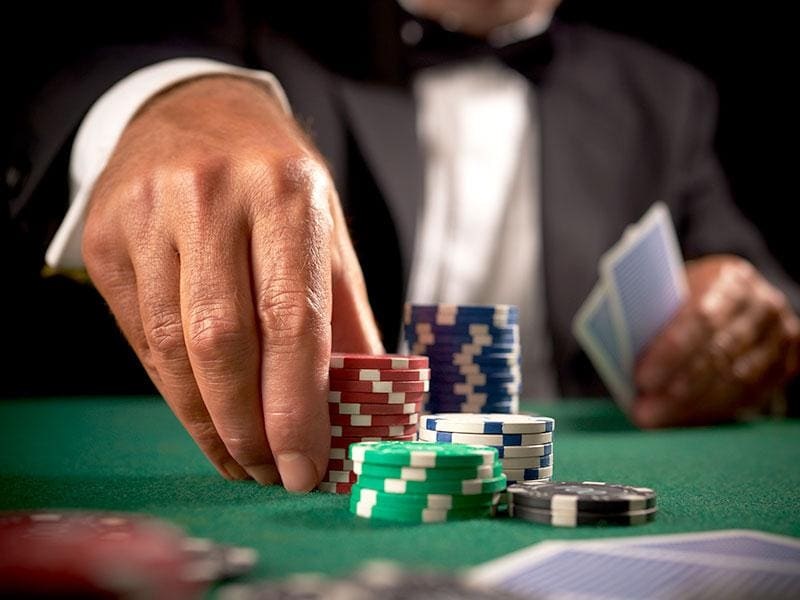
Understanding Gambling Today and Its Cultural Impact
Today, gambling is more than just a pastime; it reflects cultural attitudes towards risk, luck, and entertainment. Various cultures perceive gambling differently, with some viewing it as a traditional practice while others express concerns regarding its implications for public health and morality. The growth of gambling continues to influence economies, communities, and even legislation worldwide.
As the gambling landscape evolves, ongoing dialogue surrounding its impact persists. Issues such as addiction, regulation, and responsible gaming practices are at the forefront of discussions, prompting individuals and governments to seek a balance between enjoyment and safety. Ultimately, the historical journey of gambling illustrates its enduring significance and the complex relationships people maintain with games of chance throughout time.