Understanding the psychological triggers behind gambling behavior
The Allure of Risk and Reward
The psychology behind gambling often revolves around the thrill of risk and the tantalizing prospect of reward. When individuals engage in gambling activities, they are often motivated by the potential to win money, which can trigger feelings of excitement and euphoria. This emotional high can become addictive, as the brain releases dopamine, a neurotransmitter associated with pleasure and reinforcement. The more people gamble, the more they may crave this rush, leading to a cycle of behavior that can be hard to break. Additionally, you may want to explore new online casinos real money, as these can provide diverse options and incentives that heighten the thrill.

Additionally, the concept of variable rewards plays a crucial role in gambling psychology. Unlike traditional forms of reward that are predictable, gambling outcomes are often uncertain and sporadic, creating a sense of unpredictability that can enhance the overall experience. This unpredictability can be thrilling; players may find themselves returning to gambling in hopes of hitting that elusive jackpot. Such a mechanism effectively keeps players engaged, often leading them to overlook the risks involved.
The allure of risk is not solely about monetary gain; it also encompasses the excitement of taking chances. Many individuals find the act of gambling itself to be an exhilarating experience. This thrill can sometimes overshadow the potential for loss, making it easier for individuals to justify their gambling habits even when they face negative outcomes. In understanding these psychological triggers, it becomes clearer why gambling can become such a pervasive behavior among various populations.
The Influence of Social Factors
Social influences play a significant role in shaping gambling behavior. Peer pressure and social validation can strongly encourage individuals to engage in gambling activities, especially among younger populations. In many cultures, gambling is often viewed as a social event, where friends and family gather to enjoy games together. This sense of community can enhance the excitement and lead individuals to participate, sometimes without fully considering the consequences.
Moreover, exposure to gambling through media and advertising can normalize and glamorize the behavior. Many advertisements portray gambling as an exciting and socially acceptable pastime, which can distort individuals’ perceptions of the risks involved. The idea that “everyone is doing it” can diminish personal accountability and lead individuals to gamble more recklessly. Understanding these social dynamics is crucial for developing strategies to promote responsible gambling.
The presence of role models who engage in gambling can further complicate perceptions. When influential figures participate in gambling and portray it positively, it can create an illusion that success is easily attainable. This portrayal can motivate others to emulate such behavior, often without recognizing the inherent risks. By addressing these social triggers, it becomes possible to foster a healthier understanding of gambling within communities.
Cognitive Biases and Misconceptions
Cognitive biases significantly impact gambling behavior, as individuals often fall prey to misconceptions about their chances of winning. One common cognitive bias is the “gambler’s fallacy,” where players believe that past outcomes influence future results. For instance, if a player has experienced several losses in a row, they may incorrectly assume that a win is “due.” This flawed reasoning can lead individuals to bet more than they normally would, hoping to recover their losses.
Another cognitive bias is the overestimation of personal skill. Many gamblers believe they possess a unique ability to predict outcomes or beat the odds, especially in games involving some degree of skill like poker. This overconfidence can lead to excessive gambling as individuals ignore the inherent randomness of games like slots or roulette. By recognizing these biases, gamblers can better understand their motivations and take steps to mitigate their effects.
Additionally, the desire for control plays a vital role in gambling behavior. Many gamblers believe they can influence outcomes through specific rituals or strategies, even in games governed by chance. This false sense of control can lead to repetitive gambling and a reluctance to acknowledge losses. By exploring these cognitive biases, individuals can learn to approach gambling with a clearer understanding of the risks involved and the factors that influence their decisions.
The Role of Emotional States
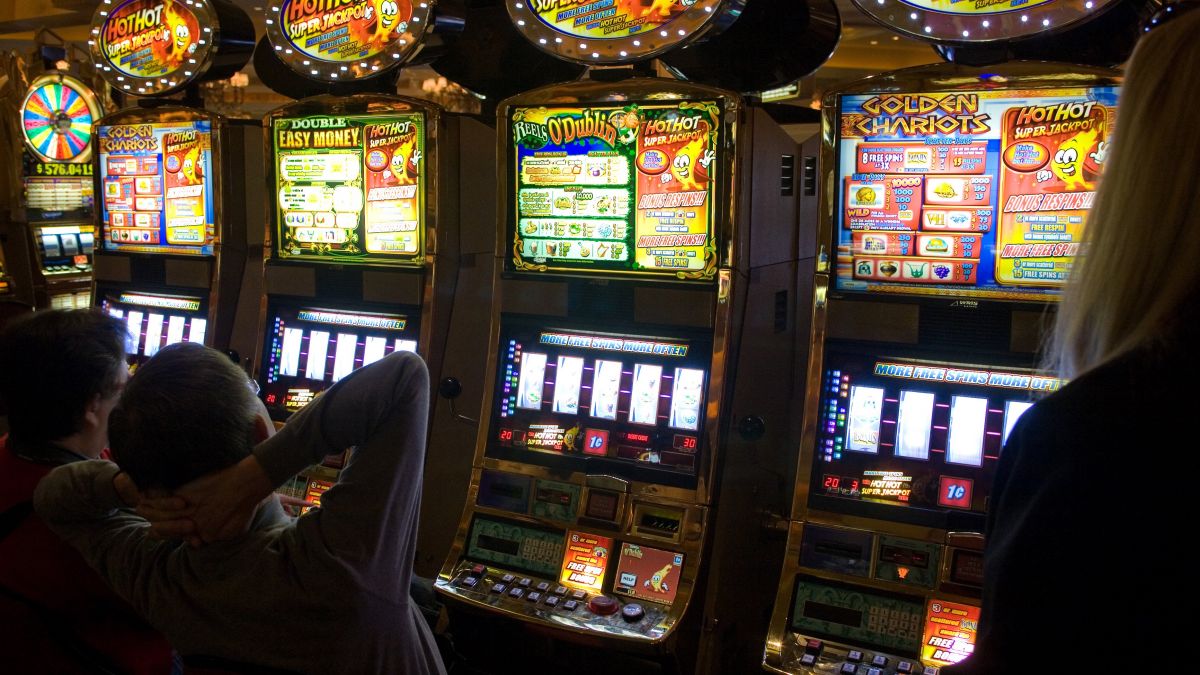
Emotions significantly influence gambling behavior, often driving individuals to gamble during particular emotional states. For many, gambling serves as an escape from stress, anxiety, or depression. The act of placing a bet or spinning the reels can provide a temporary distraction, offering a brief respite from life’s challenges. However, relying on gambling as a coping mechanism can lead to a dangerous cycle where individuals gamble more to escape their emotions.
Conversely, positive emotions can also trigger gambling. The feeling of excitement and joy associated with celebratory events can motivate individuals to partake in gambling activities, sometimes leading to excessive behavior. The risk of overindulgence can increase when combined with social gatherings, where the atmosphere may encourage more significant and riskier bets. Understanding the emotional triggers associated with gambling is essential for promoting healthier behaviors.
Moreover, emotional regulation plays a critical role in gambling behavior. Individuals who struggle with managing their emotions may be more prone to excessive gambling. They might gamble impulsively during moments of emotional distress or excitement without considering the long-term consequences. By developing emotional intelligence and better coping strategies, individuals can learn to navigate their feelings without resorting to gambling, fostering a more responsible approach to gaming.
Website Overview and Responsible Gambling Tips
Our website serves as a comprehensive resource for understanding the intricacies of gambling behavior and promoting responsible gaming practices. We provide valuable insights into the psychological triggers that can influence gambling, aiming to empower players with knowledge. By exploring various aspects of gambling psychology, our platform encourages individuals to make informed choices and adopt safer gambling habits.
In addition to understanding psychological triggers, we offer practical tips for responsible gambling. These include setting clear budgets, recognizing signs of addiction, and taking regular breaks. Our platform emphasizes the importance of self-awareness and encourages players to assess their gambling habits critically. By prioritizing responsibility, we aim to create a supportive environment where individuals can enjoy gambling as a form of entertainment without falling victim to its pitfalls.
Ultimately, we believe that understanding the psychological factors influencing gambling behavior is vital for fostering a healthier gaming culture. Through our resources, we hope to equip players with the tools they need to engage with gambling responsibly, ensuring a more enjoyable and sustainable experience for all. Join us today to enhance your understanding of responsible gambling and navigate the complexities of this engaging activity with confidence.